
A History of Major U.S. Business Break-Ups
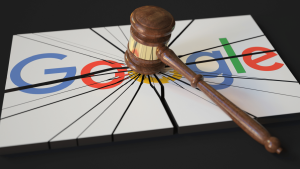
The U.S. Department of Justice (DoJ) is inching toward one of the most ambitious antitrust moves in modern history: potentially breaking up Google. The search engine giant faces accusations of stifling competition, hurting consumers, and charging excessive fees for online advertising. If the DoJ pushes forward with its proposed remedies, it would represent one of the most consequential interventions in the tech industry since the breakup of AT&T in the 1980s. This article explores the background, arguments, and implications of this case by revisiting key moments in U.S. antitrust history.
Antitrust and Monopoly: The Government’s Rationale
Antitrust laws, first established under the Sherman Antitrust Act of 1890, are designed to prevent monopolies from overwhelming a market. The goal is to keep markets competitive, ensuring consumers have choices, prices are fair, and innovation flourishes. Throughout U.S. history, the government has taken action against corporations with too much control, particularly when their market dominance restricts consumer options or raises prices.
The Standard Oil Breakup: The First Landmark Case
The Standard Oil Company, led by John D. Rockefeller, was the first major target of U.S. antitrust efforts. By 1911, Standard Oil controlled around 90% of the oil refining industry in the United States, primarily through practices like exclusive deals and acquiring competitors. The Supreme Court ruled that Standard Oil’s tactics unfairly restricted competition, ordering it to be split into 34 smaller companies, including those that eventually became Exxon and Mobil. The case established a precedent that a monopoly could be dismantled if its dominance came at the cost of a competitive marketplace.
AT&T and the Telecommunications Monopoly
Another defining antitrust case came in 1982, targeting AT&T’s near-total control of the U.S. telephone industry. The DoJ argued that AT&T’s monopoly on long-distance and local phone services stifled innovation and kept prices high. The government ordered AT&T to divest its local phone service subsidiaries, leading to the creation of seven “Baby Bell” companies. The breakup opened the telecommunications market to competition and innovation, enabling companies like Sprint and MCI to enter the market and paving the way for mobile and internet services.
Microsoft and the Browser Wars
The late 1990s brought about a wave of antitrust scrutiny in the tech industry, with Microsoft at the center. The DoJ alleged that Microsoft had used its control over the Windows operating system to crush competition in the web browser market by bundling Internet Explorer with Windows. A federal judge ordered Microsoft to split its operating system and software divisions, though an appeals court later overturned this decision. Still, Microsoft agreed to restrictions on its business practices, which encouraged greater competition in the software and internet spaces.
Google: A Modern Monopoly?
Google now finds itself in a similar position to these historical giants. It accounts for around 90% of all global online searches and controls a large share of the digital advertising market. The DoJ claims Google leveraged its other products, like Chrome and the Android operating system, to push its search engine to users, creating a self-reinforcing ecosystem. This has allegedly limited competitors’ opportunities to gain a foothold and allowed Google to charge high rates for ads while limiting the quality of service.
If Google’s products—Chrome, Android, and Play Store—were separated, they would likely need to generate revenue independently, potentially resulting in higher costs for consumers. However, Google argues that its practices benefit consumers by making the internet more accessible and that splitting its services would harm users, businesses, and developers by raising costs.
The Potential Implications of a Breakup
The outcome of the DoJ’s case against Google could establish a new precedent for regulating Big Tech, potentially extending to other tech giants like Amazon, Meta, and Apple, who have faced their own antitrust investigations. According to Xiaofeng Wang, a principal analyst at Forrester, more competition could arise in the online search and advertising markets, benefiting consumers and smaller companies. However, achieving this would require not only regulatory intervention but also technological innovation and effective marketing strategies from competitors to gain market share.
Conclusion: A Test for Antitrust in the Digital Era
If the DoJ succeeds, the breakup of Google could open doors for competitors and fundamentally reshape the digital landscape. While history has shown that breaking up monopolies can reinvigorate competition, the impact on consumers, prices, and the economy remains uncertain. This case underscores the challenges regulators face in applying antitrust laws to modern tech giants, whose business models, markets, and user bases differ vastly from those of traditional monopolies. As the court date approaches, all eyes are on the DoJ and Google, as their battle could define the future of digital regulation and competition.
– Deniss Jonins