
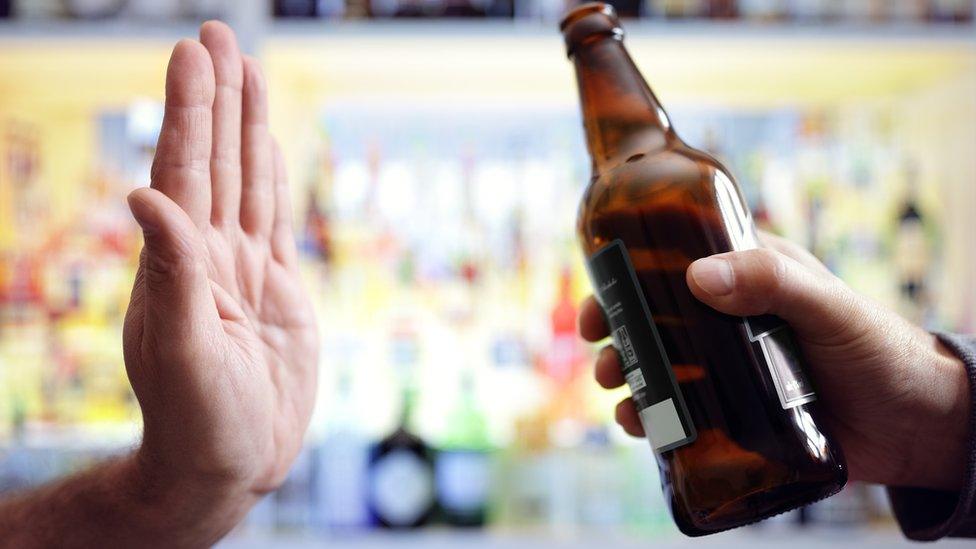
On August 1st, 2025, Latvia implemented strict new alcohol regulations that are meant to address one of Europe’s most serious problems: alcohol consumption. According to the World Health Organisation, Latvia has one of the highest alcohol consumption per capita in the EU, 12.9 litres of pure alcohol per person annually. With 44% of Latvian adults binge drinking at least once a month, the government decided that drastic measures were necessary. The new law restricted retail alcohol sales to 10:00-20:00 from Monday to Saturday and 10:00-18:00 on Sundays, cut online delivery times to a mandatory six-hour delay, and banned all price promotions and discount advertising. The motivation was clear: alcohol related harm costs Latvia between 439 and 602 million euros annually, which represents 1.3 to 1.8% of total GDP. Healthcare costs alone consume 56.6 million euros per year, accounting for 2.7% of the whole health budget. However, three months after these restrictions were imposed, the economic consequences have become quite problematic.
The immediate impact on retail sales was insane. Overall alcohol sales declined by 8% across all categories, with beer sales dropping 14% compared to the same period in 2024. Rimi stores reported a 4.6% decline in alcohol sales by late August. Rural areas were hit particularly hard with small shop owners reporting significant decreases in sales. The Latvian Traders Association warned that many retailers were struggling to stay profitable and considering whether to maintain their current operating hours. These sales declines directly threatened state revenue from alcohol sales and excise taxes with estimates suggesting tens of millions of euros in potential lost income.
What happened next revealed the overlooked drawbacks of these restrictions. Rather than simply consuming less alcohol, people found alternatives. Cross-border shopping to Estonia increased noticeably as Latvians tried to avoid the new regulations. Some consumers reportedly began making their own alcohol at home, while others turned to illegal suppliers operating outside legal hours. But the most disturbing change was the rise in consumption of other products containing alcohol, with cologne and lotion sales increasing by several times. These unintended consequences suggest that the restrictions are pushing alcohol consumption into less regulated and potentially more harmful prospects rather than actually reducing it.
The alcohol industry itself faced difficulties as the whole market was restructuring. Latvian breweries like Valmiermuiža, Užavas, and other producers saw their shelf space compressed as retailers adjusted inventory to match reduced sales periods and removed promotional placement areas where brands previously relied on discounting. Major distributors, including Amber Beverage Group, which owns over 100 local and international brands, had to completely replace their supply chains and inventory management strategies. Supermarket chains like Rimi, Maxima, and Lidl merged their alcohol sections, reducing shelf variety particularly in less profitable categories. Non-alcoholic beer surprisingly saw increased demand, with some retailers reporting 32% growth in non-alcoholic alternatives compared to the previous year, which meant that some clients were trying to maintain their shopping habits in a different way.
The government’s response to declining tax revenue was to plan further excise tax increases. Starting March 1st, 2026, spirits will face an additional 15 euros per 100 litres in excise duty. Further tax increases averaging 10% are scheduled for 2027 and 2028 across all alcohol categories including beer. However, this strategy assumes that higher prices will increase tax collection, which seems unlikely given that the amount of sales is already falling significantly. The 2026 excise increase is expected to generate only an additional 1.3 million euros, a relatively small amount compared to the tens of millions lost from reduced sales.
The situation in some ways is similar to Estonia’s experience in the late 2010s. When Estonia implemented high alcohol taxes, it lost substantial revenue as people began buying cheaper alcohol across the border in Latvia. At one point, 13% of Latvia’s alcohol excise revenue came from Estonian cross-border shoppers, while Estonia lost tens of millions in tax revenue. Estonia eventually reduced its excise duty by 25% in July 2019 to stop this bleeding. Latvia now appears to be making similar mistakes but in the opposite direction, implementing stricter regulations at the same time neighboring countries are potentially becoming more attractive options for alcohol purchases.
On the other hand, there is one counterexample worth considering. Lithuania implemented similar restrictions starting in 2018 and achieved more positive results, reducing per capita alcohol consumption by 2.5 litres, a decline of approximately 17%. However, Lithuania’s implementation benefited from better timing and did not face the same cross-border pressures that Latvia now experiences.
The underlying public health problem that motivated these restrictions remains genuine. Alcohol related issues decrease Latvia’s GDP by approximately 3.6% according to OECD. These social and health costs are obviously major and require policy responses. However, the implemented restrictions have created new economic problems rather than solved the original ones. People are buying alcohol in neighboring countries, producing their own alcohol illegally, accessing black markets, or consuming dangerous alternatives. Meanwhile, retailers are reducing hours or closing entirely, the state is collecting less tax revenue instead of more, and employment in the retail sector is threatened.
The Latvian government has commissioned an analysis of the restrictions’ impact up to October 31st 2026, in partnership with the World Health Organization. The results of this analysis will likely determine whether these policies continue, are modified, or are abandoned. For now, Latvia’s attempt to reduce alcohol consumption through restrictive regulations has produced at best underwhelming results, with economic consequences that may even become counterproductive to the original public health goals in the near future.
-Antons Čivičišs