
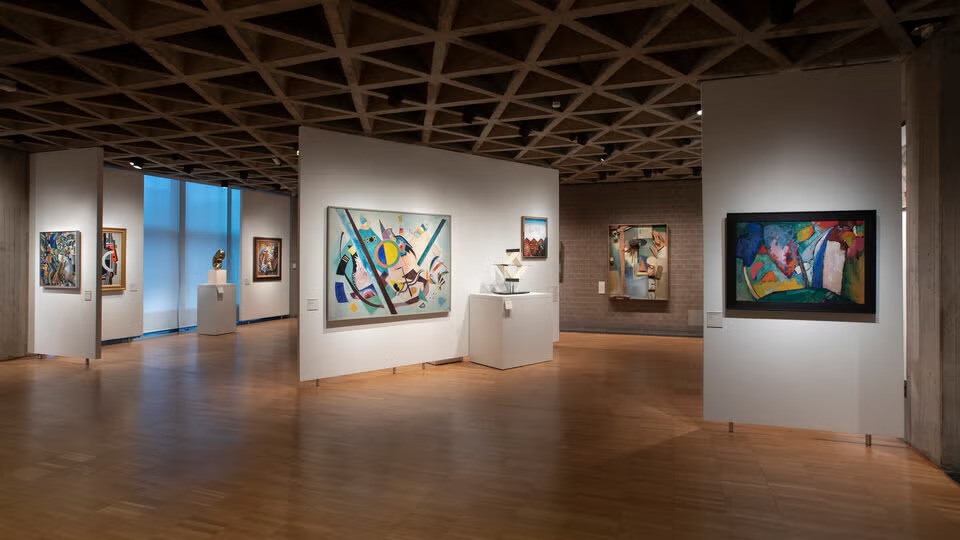
In Western Europe wealthy individuals have had a heavy presence in the art sector for many decades and even centuries, whether that be the British Royal Family, with a collection spanning more than a million pieces, or Kerring’s Francois Pinault, who has a collection of modern art worth more than a billion USD. However, given the historical circumstances, the Baltic art market has just begun developing. In recent years, more private art collections have been growing in the Baltics, especially in Lithuania and Latvia.
Artists from the Baltic regions have been gaining traction in the wider art market, with the most recent example being Season of Lithuania in France, which showed Lithuanian art in some of the biggest museums and galleries in the World, such as the Centre Pompidou. Events like these contribute to growing demand for Baltic art, therefore, it is likely that we are witnessing only the start of the growth of the Baltic art market. With more and more accessible art education and growing life quality in the Baltic region, the demand for local and international art will likely continue to grow.
Notable Private Art Collections in the Baltics.
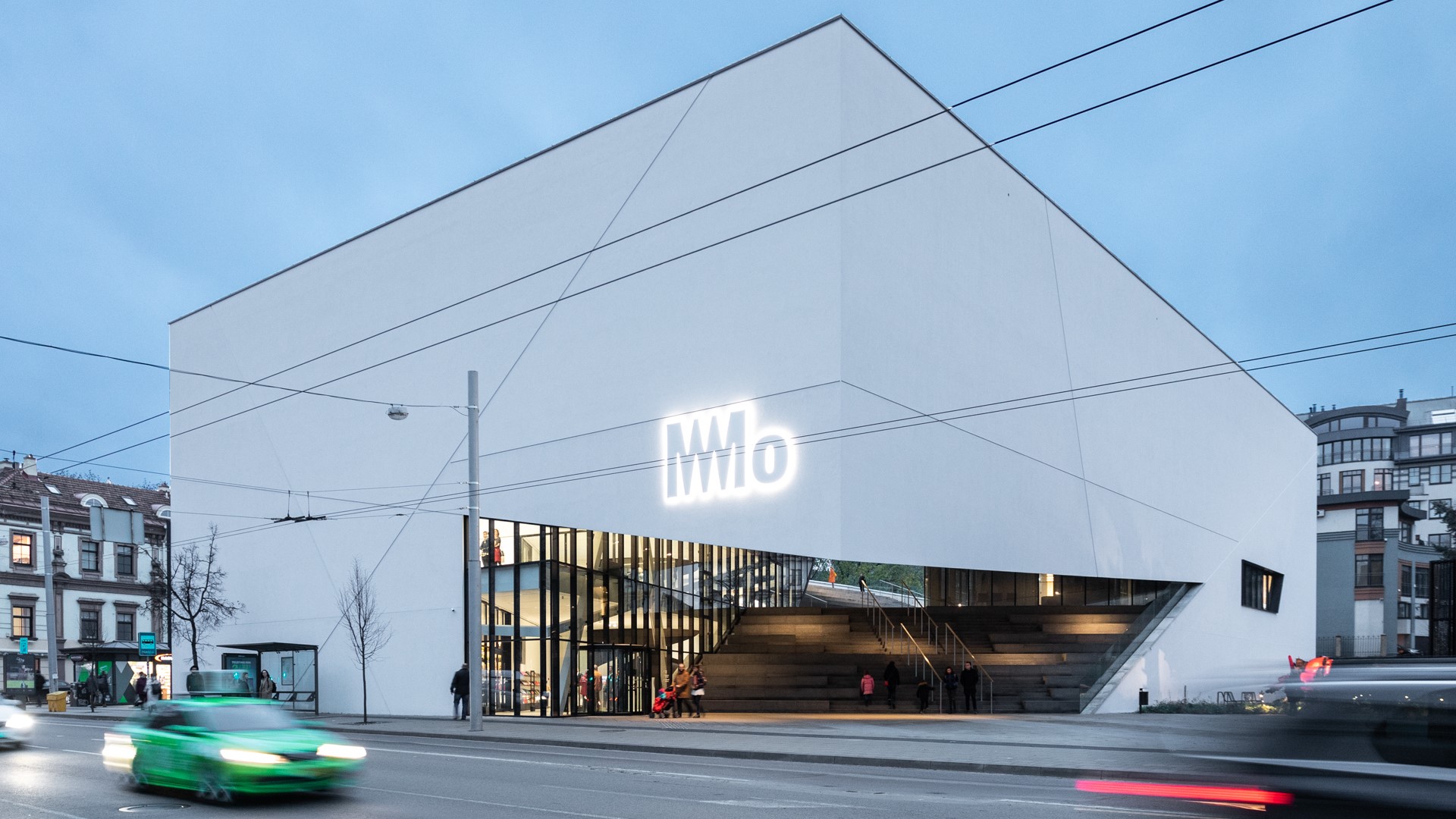
MO Museum, designed by the famous architect Daniel Libeskind and founded by a famous chemist Viktoras Butkus and his wife Danguolė opened its doors in 2018. It houses the biggest private collection in Lithuania, with a heavy focus on Lithuanian modern art. In addition to expositions of the collection, it often showcases artworks by notable modern artists from all around the world, whether it be Yves Klein or Andy Warhol, whose artworks often sell in the seven-figure range.
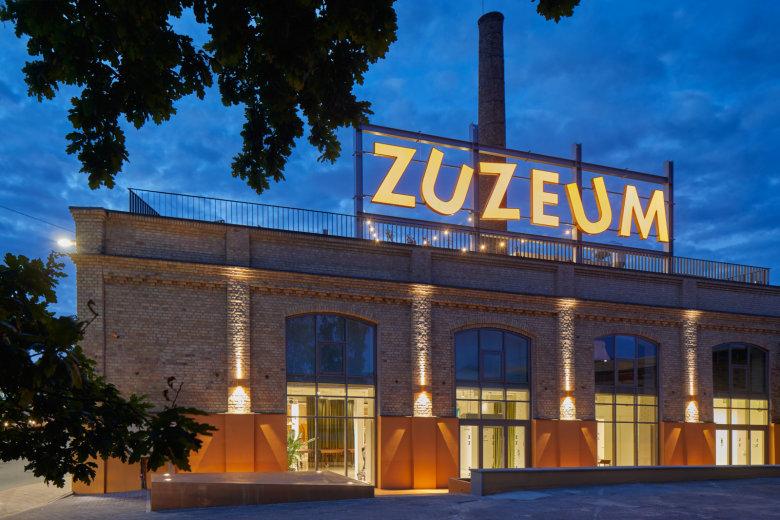 On the other hand, Zuzeum in Riga, houses the biggest art collection in the Baltics, which comprises more than 30,000 artworks. It was opened by Jānis Zuzāns, a controversial figure in Latvia due to his wealth mostly coming from opening slot machine operations right after Latvia regained its independence. The collection houses the biggest collection of Latvian art in the World.
Similarly controversial figures in Lithuania with a major art collection are Vilius and Rita Kavaliauskai, who are behind the Noewe Group, a company that provides professional services to businesses. They established the Noewe Art Foundation, previously known as Lewben Art Foundation. While their collection is not widely accessible yet, they focus not only on local but also international artists.
Additionally, there are other private initiatives in the Baltics that focus on promoting young artists in the region and offer prizes and summer residences that provide opportunities for the artists to grow and gain funding while giving the sponsors an opportunity to invest early – think of it like the seed round in venture capital, but instead of financials much more emphasis is placed on uniqueness.
The Big Why
However, the question “why?” still persists. And the answer for that might not be so clear. For some, it is a passion project that is finally able to materialize after having sufficient financial means. For others, it might be a way to clear up their public image through patronage. With some of the aforementioned figures having questionable pasts, this might be exactly the reason. By financing contemporary creatives, businesses also maintain or gain relevance in the more alternative or culturally literate, yet affluent part of the society. Furthermore, it allows organizations to attract new clients or differentiate from competitors as a more socially and culturally responsible option. Lastly, it is also important to remember that art is a quite popular alternative investment. It is much more affordable than real estate and offers more visual appeal and enjoyment than holding gold, making it an attractive choice for those who are looking for their first alternative investment.
– Adomas Cvilikas