
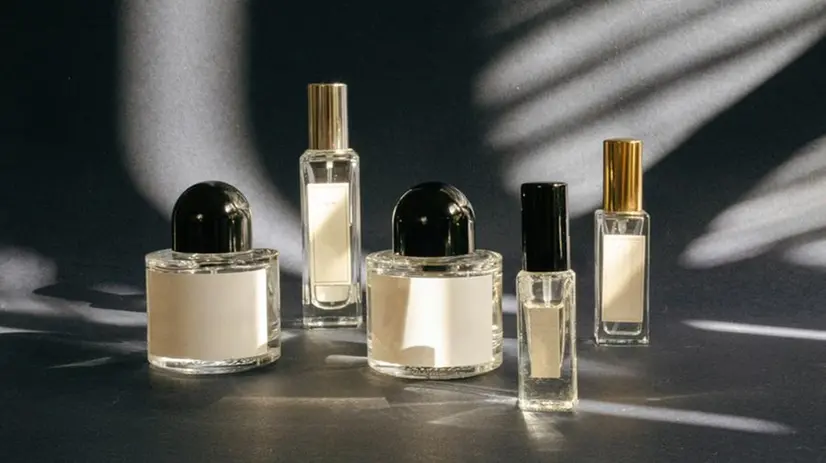
Why spend €60 on mascara when TikTok says the €6 drugstore version is just as good? Welcome to the dupe economy, where the thrill of the ‘same but cheaper’ is changing how we shop, spend, and signal status. Driven by Gen Z’s search for value and virality, dupes (cheaper alternatives to high-end products) have exploded across beauty, fashion, and tech. But beneath the surface of affordable trends lies a deeper shift in consumer behavior, brand strategy, and even how we define authenticity in the marketplace.
Searches for “dupe” have skyrocketed by over 300% in the past two years. As more and more people are enticed to do massive shopping sprees to keep up with the influencer hauls on social media, the “quantity over quality” mindset dominates. Companies like e.l.f. and Shein have transformed the beauty and fashion industry by essentially duplicating luxurious products and selling them for a fraction of the price. However, while the cosmetic and apparel sectors have been the most impacted, the dupe culture has spread into tech, home goods, and many other industries as well. This signals a big shift in the business world as a whole, leading many to question if imitation is taking over innovation.
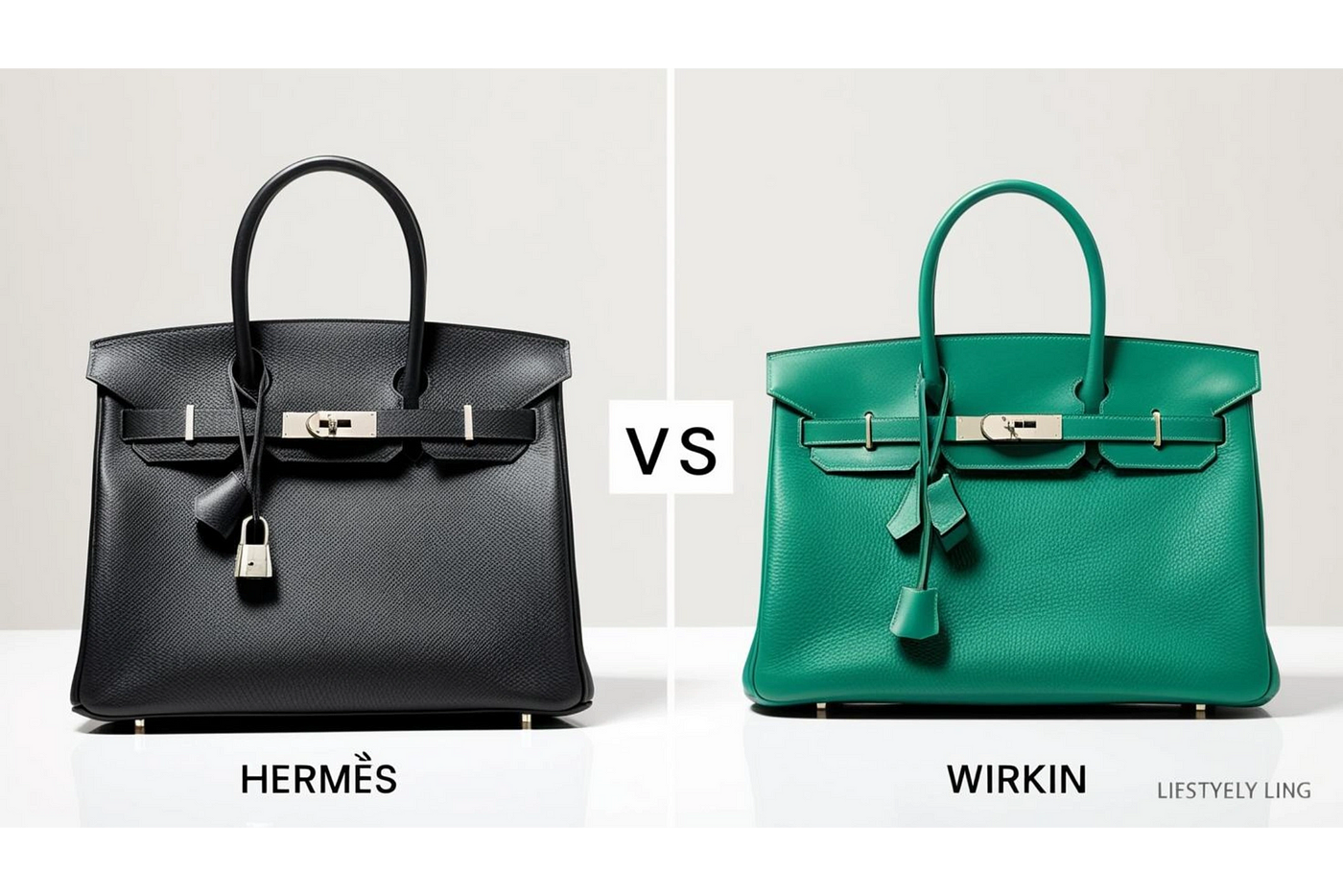 While cheaper alternatives to expensive goods have always existed, they have never been claimed to be duplicates. Before the dupe culture takeover, businesses tried to stand out by being inventive and original, but now they can gain virality through imitating high-end brands without any creativity involved. Many are tapping into this emerging market: a recent example is Walmart’s Wirkin, an almost identical version of the Hermès Birkin bag. It went viral on TikTok, selling out in mere hours. In response, the CEO of Hermès stated: “It’s hard to say what to think about this because there’s a grey area. Of course, I was mad. Because copying our IP, copying our creativity is pretty much detestable—it’s stealing someone else’s work.” Demus mentioning IP (intellectual property) is interesting because that is one of the biggest obstacles for dupe sellers. They can only copy a product to a certain extent before it becomes a counterfeit, which would be illegal to sell due to IP rights infringement, making duping a slippery business model.
However, that is not the only reason why making dupes is a tricky affair. As most of these products are made in China, the recent implementation of tariffs in the US has caused a turn in the market. The tariffs pose a major challenge for Chinese dupe retailers due to having to raise prices, which makes the products less appealing to their American consumer base. In response, videos are being published on TikTok, where Chinese people supposedly expose the luxury goods as all being made in China. They claim that there is no difference in quality and that everything from Chanel to Lululemon is made in the same factories as their dupes, essentially urging consumers to buy directly from the manufacturers to exploit the tariff loophole. While this information has been more or less confirmed to be false by the brands, many shoppers have been more influenced than ever to participate in the dupe market.
This leads me to conclude that dupes are only increasing in popularity, reaching more and more people, so the question becomes whether we let imitation take over innovation or fight back. Brands are starting to become more conscious about their legal rights, and many are trying to protect their creative ideas on a more holistic level, instead of just guarding against logo and trademark use. However, there is only so much individual businesses can do. The rise of the dupe market is largely attributed to the high consumer demand for such products, but has the search for value gone too far? Only time will tell how the quantity over quality mindset will play out in the future.
– Paula Kovalevska