
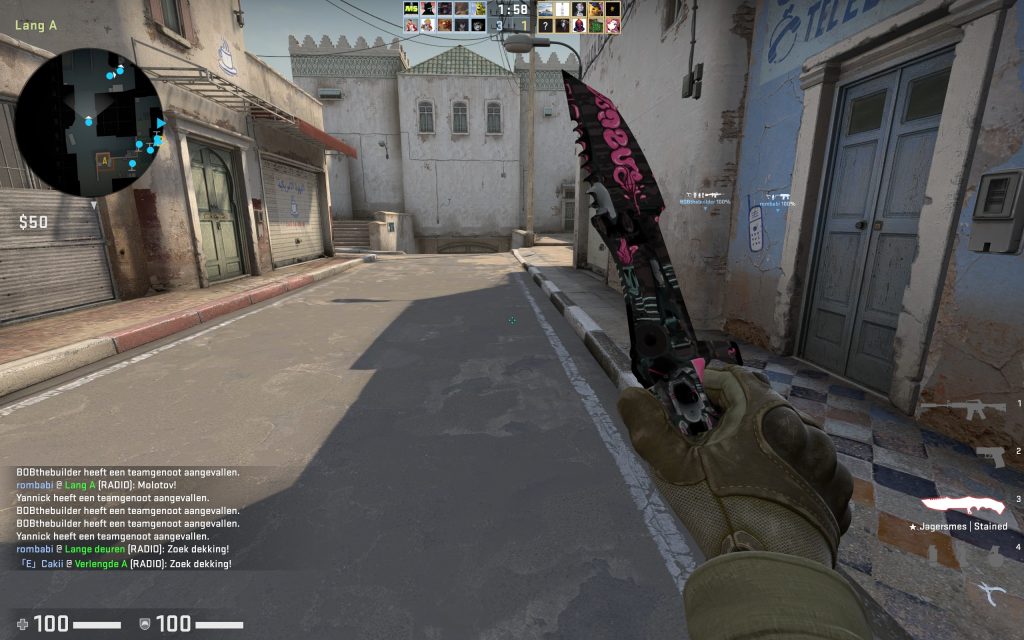
Valve Corporation is the creator of Counter-Strike 2 (CS2), a popular online first-person shooter game. One of the most unique and fascinating parts of CS2 is its skins market. Skins are cosmetic items that change how weapons and character models look but don’t affect how the game is played. A huge global community trades, sells, and buys these skins, making it into a multi-billion-dollar market valued at around $5 billion today.
What makes this market special is that it is practically immune to outside economic events. Unlike stocks or cryptocurrencies that go up and down based on world markets and news, the CS2 skins market often keeps growing or remains stable even when traditional markets fall. This is because the market is driven mostly by the passion and loyalty of gamers who value the skins for their rarity, visuals, and social status in the game.
At the same time, the entire market depends heavily on one private company—Valve. Valve controls how skins are created, released, and traded through its official platform, Steam, and also third-party platforms. Since Valve is privately owned by co-founder Gabe Newell and does not have to answer to public shareholders, it controls the market without outside pressure to satisfy investors. This independence helps explain why the skins market can stay unaffected by external economic chaos.
However, this gives Valve enormous power to influence the market, which can be risky for skin owners. For example, in October 2025, Valve made a change that made very rare knife skins easier to obtain. This led to a sudden crash in the market with about $1.75 billion lost overnight as the value of those skins dropped dramatically. This event showed how the market, while stable from outside forces, is very fragile inside and can shift drastically due to Valve’s decisions.
Despite such crashes, the market also shows resilience. After the October shock, prices and trade volumes eventually recovered as players continued to value and trade skins. Besides Valve, many third-party websites have grown to help with faster shoe-in and shoe-out trades, adding liquidity and making skin trading more accessible to players worldwide.
The CS2 skins market has promising opportunities ahead. As the market grows, it attracts more professional traders and investors, which in its turn stimulates the growth even more. The largest skin trade for today costed around $770.000, for example. And deals will only grow bigger in the future, as more investors join. Also, technologies and financial tools like blockchain could help this market grow even faster.
Looking ahead, this foundation of passionate user engagement, ongoing content updates, and growing global participation contributes to continued expansion and stronger integration of the CS2 skins market in the years to come.
In conclusion, the CS2 skins market is a surprising mix of stability and risk. Its strength lies in a passionate global community and Valve’s private management that keeps it safe from outside economic ups and downs. But this same control makes it vulnerable to sudden changes from Valve. As a unique example of a digital economy controlled by one company, the CS2 skins market provides a glimpse into the future of virtual goods, investment, and gaming culture combined.
-Daņila Orlovs