
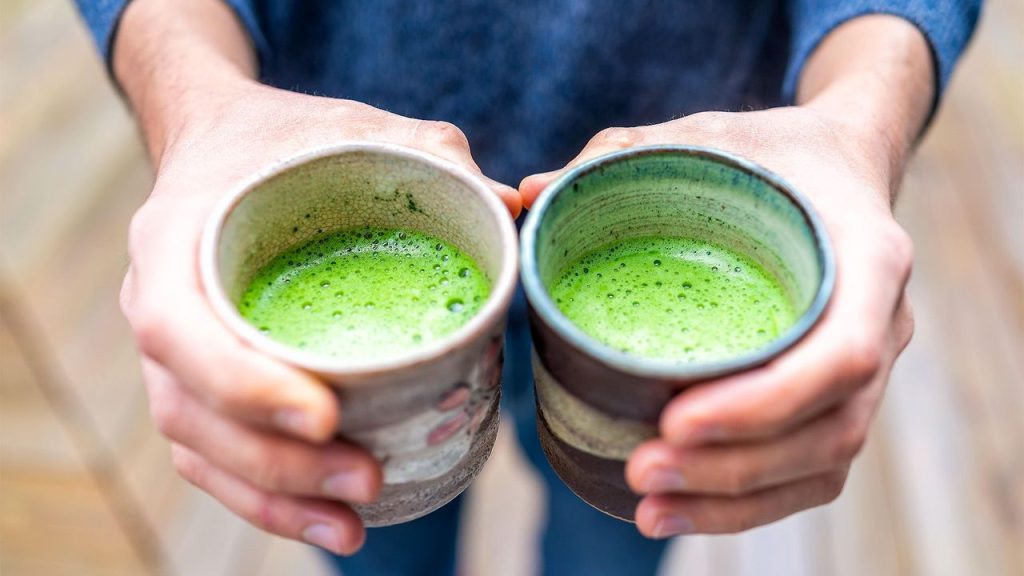
The ascendant trajectory of matcha, the vibrant green powdered tea, has transformed it from a niche cultural and historical staple into a dominant global consumer phenomenon. Its presence is now ever-present, featuring prominently in offerings at international chains such as Starbucks and Dunkin’ Donuts, as well as specialized, venture capital-backed enterprises like Blank Street Coffee. This surge has been primarily fueled by social media engagement, alongside a growing post-pandemic consumer preference for wellness and gentler caffeine alternatives rich in antioxidants and L-theanine.
The commercial interest underscores the substantial financial stakes. The global matcha market is projected to surge significantly, with projections suggesting growth from $4.23 billion in 2024 to $7.86 billion by 2033. This rapid expansion is reflected in Japan’s green tea exports, which include matcha, having risen 25% by value last year to ¥36.4 billion ($245 million). However, this accelerated demand is confronting severe supply chain inelasticity and compounding exogenous shocks, leading to volatility in this specialized commodity market.
The fundamental challenge to market equilibrium stems from matcha’s highly specialized and constrained production methodology, traditionally based in central Japan. Matcha is derived from tencha leaves, which are critically shade-grown for weeks to develop their signature umami flavor, bright green color, and high L-theanine content. Once harvested, top-grade ceremonial matcha is traditionally ground using stone mills, a labor-intensive process yielding only 30 to 50 grams per hour.
This specialized, time-consuming approach makes the supply chain highly susceptible to shocks that cannot be easily mitigated. Primarily, record-breaking heatwaves have severely impacted crops, particularly in the Kyoto region, which accounts for about a quarter of Japan’s tencha production, leading to poor harvests. Additionally, Japan’s aging population has resulted in a farmer shortage, meaning more tea fields are being retired than are being replanted, consequently constricting long-term supply potential. Furthermore, new tea plants require approximately four to five years to mature before they can yield marketable leaves. This substantial biological lag prevents rapid increases in supply, even in the face of soaring prices.
These structural constraints have fueled acute price volatility. The average price for first flush tencha in Kyoto has more than doubled in a year, escalating from ¥5,500/kg to ¥14,333/kg. Shortages have caused prices at some traditional outlets to rise by around 30% this year. Suppliers struggle to maintain equilibrium, with some US importers noting that cafes are requesting “a kilo a day”.
The financial pressure is further amplified by geopolitical decisions, notably the implementation of US tariffs imposing a 15% import tax on Japanese products entering the American market. This tariff is considered unusual by industry leaders, as specialty tea is not grown in the US, suggesting the tax does not protect a domestic American industry. Distributors, anticipating the impending cost increase, saw order volumes surge by over 70% ahead of the tariff deadline.
In the face of chronic scarcity and soaring costs, the matcha industry is undergoing significant adaptation across several vectors. Firstly, market diversification is occurring: while the shortage is most acute for premium ceremonial-grade matcha, the production of ordinary culinary-grade matcha, which is perfectly suitable for lattes and mixed drinks, is expanding regionally to new growing areas, including China and Vietnam. Secondly, policy intervention is being planned, as the Japanese government, recognizing the high commercial potential and opportunity, is reportedly planning to introduce subsidies to encourage local growers to shift production from traditional leaf tea (sencha) to tencha, the specialized leaf used for grinding into matcha. Lastly, consumer substitution is becoming evident as high prices are causing consumers to seek out alternatives; some are starting to look toward other Japanese beverages, such as hojicha (roasted green tea), which is both cheaper and more readily available.
The global shortage of matcha serves as a stark case study in specialized commodity market risk. While the craze highlights the immense power of social media to rapidly stimulate demand, the inherent biological and traditional constraints of production illustrate the low elasticity of supply. This dynamic creates a high-risk, high-reward environment. Ultimately, the sustained growth of the matcha market relies on overcoming structural labor issues and adapting to climate volatility. Until new fields mature and geopolitical trade risks are mitigated, the high costs of supply chain inelasticity will continue to cap the potential of this vibrant green gold rush.
-Amanda Graudiņa