

Estonia, well known for its prudent fiscal policies, has recently taken a significant step in its financial development by issuing government bonds to retail investors for the first time. This marks an important milestone in the country’s financial history, as it invites citizens to actively participate in shaping Estonia’s economic future. By offering these bonds, Estonia provides its people with a new opportunity for investment, allowing them to directly contribute to national growth and economic resilience.
Why Estonia Issued Bonds Now
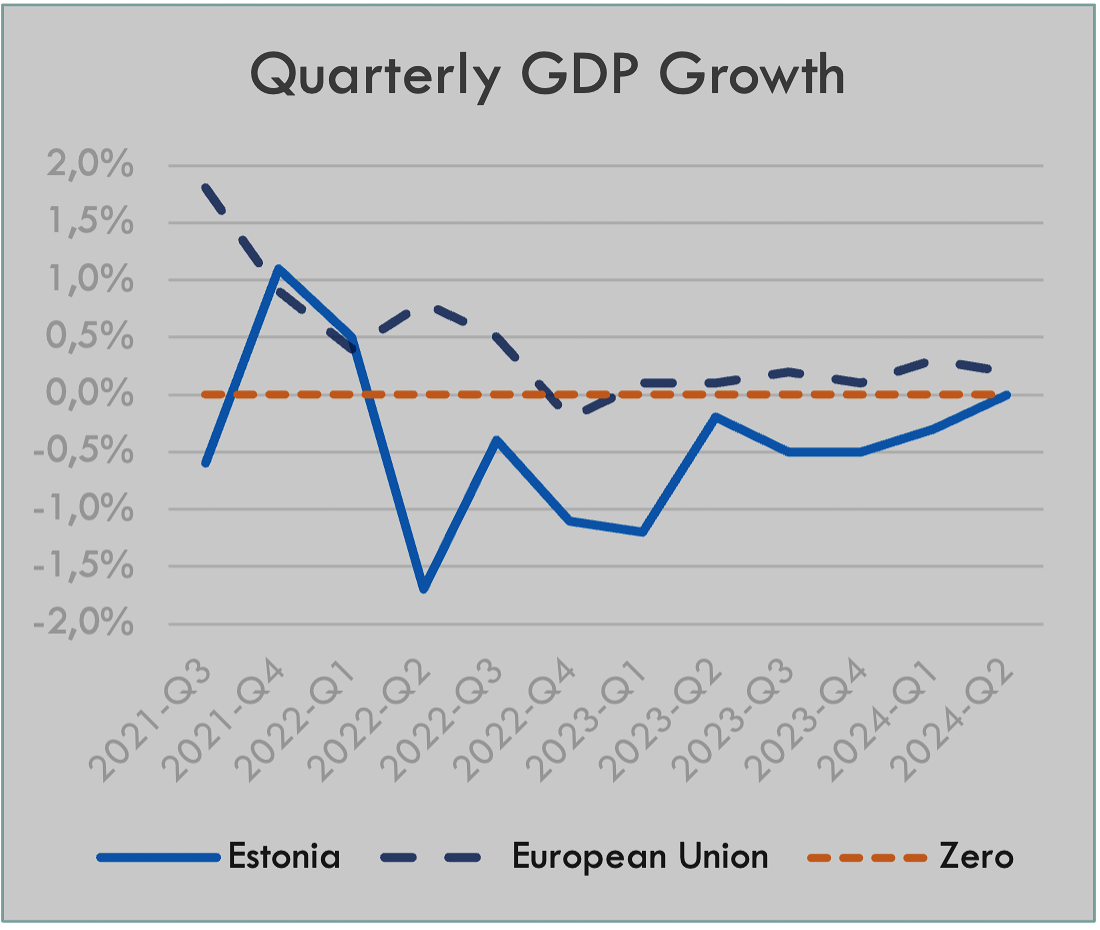
Estonia’s decision to issue retail bonds is a strategic response to both immediate economic pressures and long-term fiscal planning. Since early 2022, Estonia has faced a challenging economic environment, with GDP contracting for eight consecutive quarters (Figure 1). By early 2024, the economy had shrunk by 5.7% from its pre-recession peak—one of the longest downturns in Estonia’s recent history. Contributing factors include rising energy costs, disruptions caused by the war in Ukraine, and declining demand from key export markets.
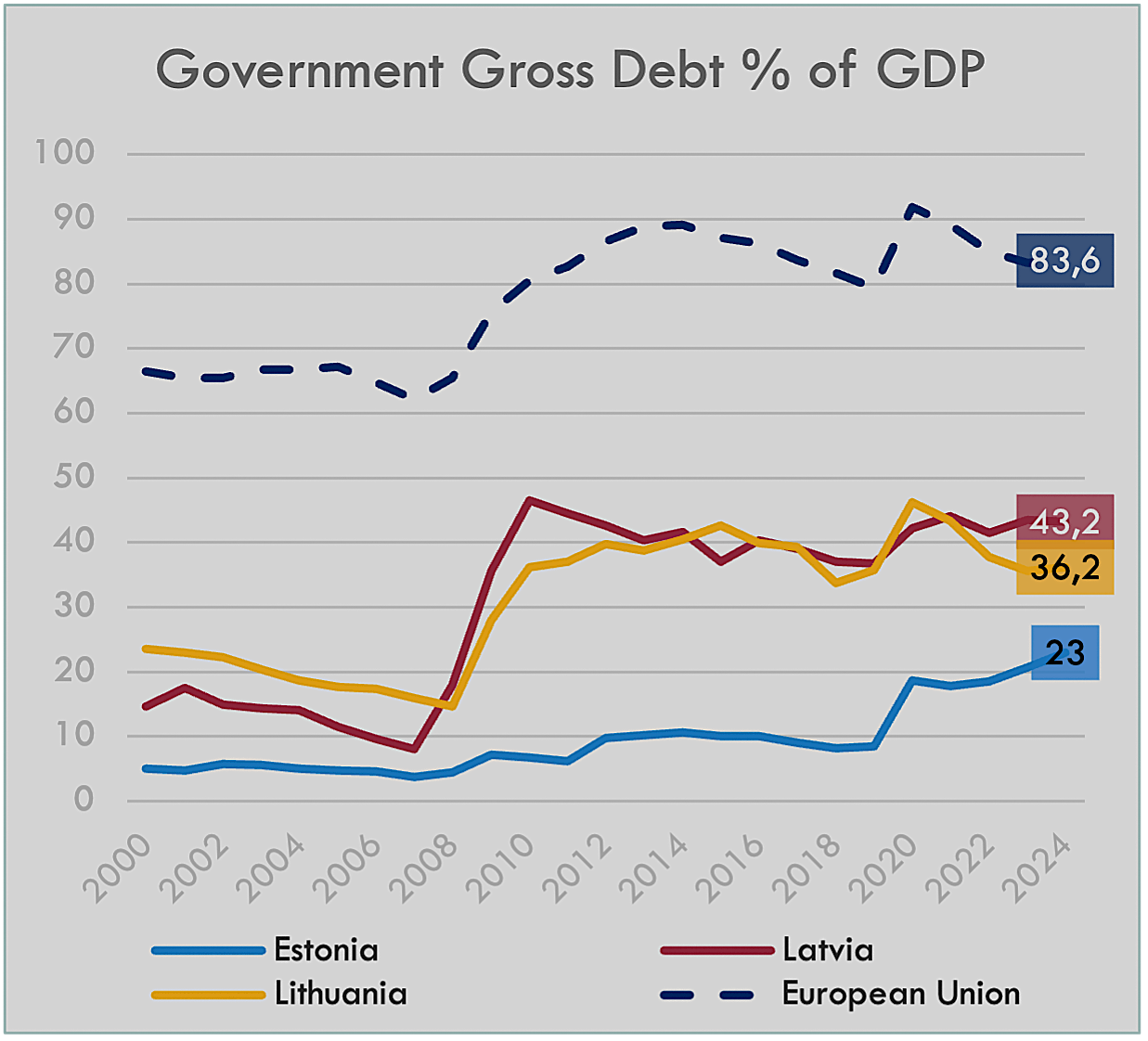
Despite these challenges, Estonia’s fiscal management has been commendable, with the debt-to-GDP ratio standing at just 23%, significantly lower than the European Union average of over 80%. This discipline has provided Estonia with flexibility during tough times, but rising costs, particularly increases in defence spending (projected at 3.2% of GDP), mean that new funding sources are now necessary. To further bolster national security, Estonia plans to introduce a defence tax in July 2025, which will increase both value-added tax (VAT) and personal income tax rates. These measures, combined with the retail bond offering, are part of a broader strategy to address the budget deficit while continuing to invest in national security and economic stability.
Beyond addressing fiscal needs, the retail bond issuance also seeks to diversify Estonia’s funding sources and encourage greater public participation in national finance. By targeting retail investors, the government fosters a sense of ownership among its citizens, offering a stable return on investment while engaging them in the country’s economic story. This approach also aims to improve financial literacy and make the general public stakeholders in Estonia’s fiscal health and growth.
How Estonia’s Bonds Compare to Its Neighbours
Compared to its Baltic neighbours, Estonia’s retail bond yields remain competitive. Currently, Latvia offers 3-year savings bonds with yields of 2.70% per year, while Lithuania’s newest defence bonds are being offered at a 2% annual rate. Lithuania’s 2023 3-year bond offering had a 3.9% coupon rate, which now trades at around 3%. By comparison, Estonia’s two-year bonds offer a 3.3% annual return, reflecting the country’s strong fiscal position while offering a yield competitive to its neighbours.
The initial €200 million bond issue was oversubscribed fourfold, with total subscriptions reaching €821 million, acting as proof to the success of Estonia’s bond offering. This strong demand indicates confidence in the Estonian economy among both professional and retail investors. With the government prioritising local investors over larger institutional buyers, over 7,300 retail investors took part and subscribed to €29 million worth of bonds. This demonstrates that Estonians are eager to play a direct role in supporting the country’s financial stability and growth.
What Comes Next?
The successful issuance of Estonia’s first retail government bonds is a significant milestone in the nation’s financial development. By offering competitive yields and emphasising local participation, these bonds address the country’s fiscal needs while fostering economic engagement among Estonians. As the bonds have begun trading on the Tallinn Stock Exchange, they remain as a secure and stable investment option during a time of global economic uncertainty.
– Jens Jurgenson